Friday, April 12, 2013

C+S2 | Public Art - Abstract Wire Sculpture

Objective: Design and fabricate a large scale abstract sculpture (4-6 ft) out of wire to put on temporary display in the RBHS Garden. 

Examples: abstract wire sculptures         large wire sculptures

Resources: view SLIDESHOW  Sculpting Tools + Basics video    How to Sculpt a Lizard video      

Process:
1. Look at site specific space and sketch/note ideas
2. View process and examples, then collaborate with partner to choose best option
3. Sculpt a miniature version of your idea using ONE PIECE OF WIRE and wrapping for tension
4. Sculpt a large scale version of idea using ONE PIECE OF WIRE and wrapping for tension

Monday, April 8, 2013

C+S2 | Raku + Outdoor Sculpture Workshop

WHERE: RBHS | April 12, 2013 | 9am-3pm

WHO: RB Ceramics + Sculpture II students, Tim Pfiffner, + Suzanne Zimmerman

WHAT:
Raku is an ancient Japanese pottery firing technique whereas you glaze pottery, fire it in a kiln for about a half hour, remove the pieces with tongs while they are extremely hot, drop it in a garbage can full of combustible materials, smother the flames with the lid, and lastly quench the works in water for an iridescent finish.

HOW: view slideshow, + raku firing video

Tuesday, April 2, 2013

C+S1|Textured Raku Dish


objective: Create a small dish over a mold using a textured slab.  

process:    view RAKU FIRING VIDEO + POST
1) Use plastic clay to roll out a square or circle slab that is 5 inches across. Tear or cut edges creatively.

2) Cover slab with a texture by pressing in stamps, objects, tools, or screen/textured sheet into surface.

3) Drape a paper towel on a cylindrical container/mold.

4) Drape clay on top of mold and 'fold' edges to take on form into a dish form. Press bottom of bowl to sit flat when right side up.

5) Use hair dryer to make clay leather hard, carve in initials, take off and place on drying rack.

6) Glaze with RAKU glazes and contribute to firing next Friday!

Friday, March 22, 2013

4x4x5 show | toothpick sculpture

Musical Cable Car Blowfish
3D ART REQUIREMENTS:
  • The actual artwork itself must be 4”x5”x4”, 4”x5”x5”, or 4”x4”x5”. No dimension shall be smaller than 4 inches or larger than 5 inches. 
  • Sculpture in the round may be free standing (no base)
  • 'Identity' labels must be placed on a label tent which is to be attached the artwork or pedestal/base with a piece of fishing line.
  • Include an 'Information' label with the work and 'Identity' label.

Friday, March 8, 2013

EMPTY BOWLS CHARITY | Bowl-a-thon!

High school students are invited to come to this teens only night to make bowls for the May 9th Empty Bowls event at Village Potters, 333 N. LaGrange Road. The studio will supply the clay, teens can supply the enthusiasm! The bowls will be sold in May during the event to raise money for our local food pantries. Come have some fun and do some good at the same time!  villagepotters.com  emptybowls.net

Thursday, March 7, 2013

C+S1 | Abstract Sculpture


OBJECTIVE  Design + construct a 10 inch abstract three-dimensional sculpture inspired by a song using original imagery, negative space, texture, and detail.                                   project lesson + sketches


VOCABULARY
abstract art Simplified or distorted imagery
realistic art - Imagery that looks an existing object or scene
sculpture - Non-functional three-dimensional form (activate space, multiple sides, in the round)
pottery - Functional containers that can 'hold' something; useful
texture - Surface treatment created in clay by carving back, pressing in, or adding on pieces
concept/inspiration - Use of a subject or symbolism to represent an idea in a piece of art

REFERENCES   ABSTRACT SCULPTURE PRESENTATION
PietMondrian, Henri Matisse, Henry MoorePablo Picasso, Contemporary Art

PLANNING + SKETCHES  Choose a song, draw symbols related to its message, beat, or mood, design a 3D form showing simplified and distorted imagery.

STUDIO PROCESS
 sculpture demos: additive process    detail + texture    figurative    posing figure
1. To practice, make a maquette (tiny model) of your form using a tennis ball sized piece of clay. Build solid and use it as a 3D sketch for reference when building large sculpture.

2. Get approval on maquette and create a 3D large scale sculpture (10+ in) following the steps below.
    1. Use slabs, coils, and pinching , then attach pieces by scoring and slipping.
    2. Build solid, then carve out from bottom OR cut in half, carve out, + reattach for walls that are even ¼ inch thickness.
    3. Poke a needle sized hole in bottom for trapped air to escape
    4. Create textures (surface treatment) and build/carve details on at least ½ the surface.
    5. Clean up craft once leather hard and carve initials on bottom.


Thursday, February 7, 2013

C+S 1 | Layered Structure [sculptural pottery]

OBJECTIVE: Create a music inspired vessel built from layered pieces of clay covered in texture. Focus on rythym and movement when building upwards from a base. Consider adding functional elements such as a handle, foot, lid, or spout. You will add a wash at the end to accentuate textures and unify the composition.

REFERENCES: Piet Mondrian, Stuart Davis, Suzanne Bartelson Zimmerman, 3D Bulldog Gallery, Tony Fitzpatrick, SAMPLE VASE DESIGNS


Thursday, January 31, 2013

C+S1 | Pottery Set [pinch+slab]

project objective: Create TWO unique & unified vessels using the pinch or slab technique. Each piece in the set must show harmonious textures on the interior & exterior with a 1/2 inch foot on the bottom.
references:    view pottery set slide show         pottery set lesson
Check out work below and linked to names of emerging ceramic artists Caroline ZamaWilliam Aley, & others on Ceramics Monthly & nceca.net  for ideas!   

 Vintage Modern Blue & Green Glaze Ceramic Pottery Salt & Pepper Shakers Set  
   

Tuesday, January 15, 2013

C+S 1 | Dish Your Style [sgrafitto+molds]


Objective: 
Research contemporary artists + choose the style of an artist of your choice to design surface decoration for a dish, cylinder, or bowl. Create pottery using a slab mold, adding a foot for height, + carving back designs (sgrafitto) to show your artists style. view project slide show  view lesson

Design+Studio Process:
  1. Research ceramic artists online and identify what styles you are drawn to: organic/nature inspired, geometric/angular, expressive/messy, simple, chaotic, calm, words, realistic, characters, abstract with simplified or even nonrepresentational imagery?
  2. Choose your favorite artist from galleries found on Ceramics Monthly or the Museum of Modern Art websites.
  3. Respond to questions about the artist, style, process, and more.
  4. Print out 4 photos of their work and staple to research responses.
  5. Design your surface treatment for a dish based on selected artists' style and your own.
  6. Create a large slab, layer a mold with a wet paper towel, then lay plastic slab into or onto form.
  7. Add a foot, carve initials in bottom, paint with 2+ coats of underglaze, + carve back surface design showing your artist's style crossed with your own.
  8. Bisque fire and gloss glaze for finished product.
Resources:Ceramic Arts Daily 'How to Carve Relief Sculptures'
SLAB BUILD PLATES WITH TEXTURED + STENCILED DECORATION ... Making a set of ceramic plates can be fun for the beginner, but is also easily adapted for more-experienced student.
MOLD MAKING ... Today Holly Goring shows us how to make a reclaim slab that doubles as a wedging board, saving space, materials, time and effort.
MESSAGE ON A BOTTLE: ULTRA THIN SLAB CONSTRUCTION ... Today, Frank James Fisher takes us through the process of creating a stamp-textured bottle form out of very thin porcelain slabs.
TAR PAPER FORMS ... Discovering new forming methods for hand building is a motivational experience. A few years ago, Bill Daley came to Montana's Archie Bray ...

Friday, January 11, 2013

C+S | Book Making

Clik here to learn how to bind a book using the Stab Binding. For more bookbinding techniques visit http://www.booklyn.org/education/000240.php.

Tuesday, January 8, 2013

C+S1 Entry Project: Paper Sculpture

Mark Jenkins

PROJECT: Create a 6x6 inch ABSTRACT (simplified or distorted) 3D PAPER SCULTURE inspired by a theme that is meaningful to you. Demonstrate your understanding of the objectives below through planning, risk taking, design, original subject, technique, studio process, and articulation about your work.                     

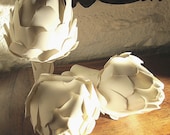
Artichokes, paper sculpture MATERIALS:
4 sheets 8x10 tag board, glue, rulers, scissors, box cutter, templates
PLANNING:
Research artists and subjects of interest, staple visuals for reference, review studio process and draw your ideas before sculpting.

ARTIST REFERENCES: Louise Nevelson, Valerie Buess, Alexander Calder
view paper relief sculpture gallery
view 3D sculpture gallery
 
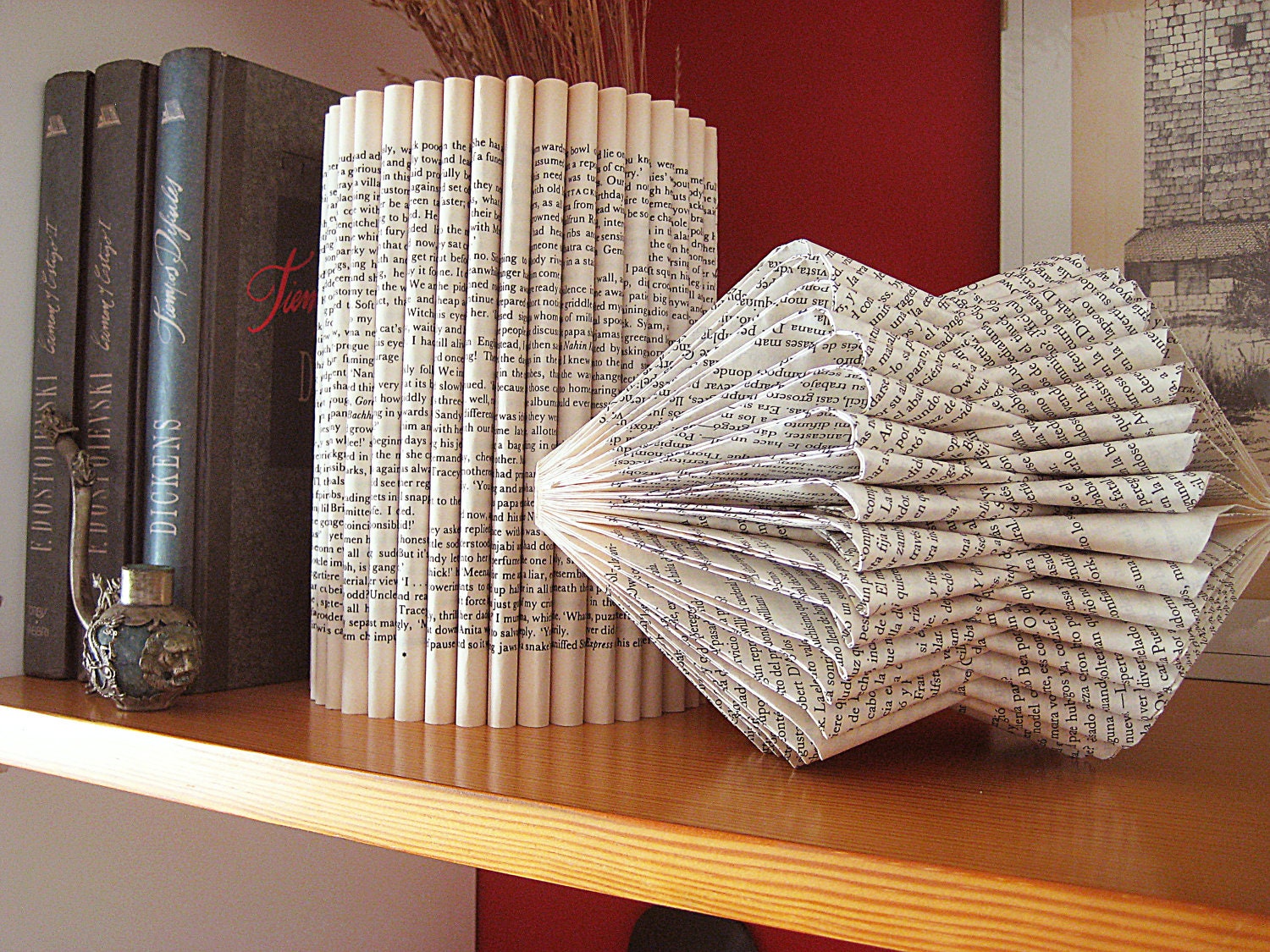
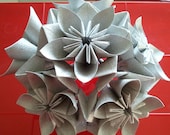
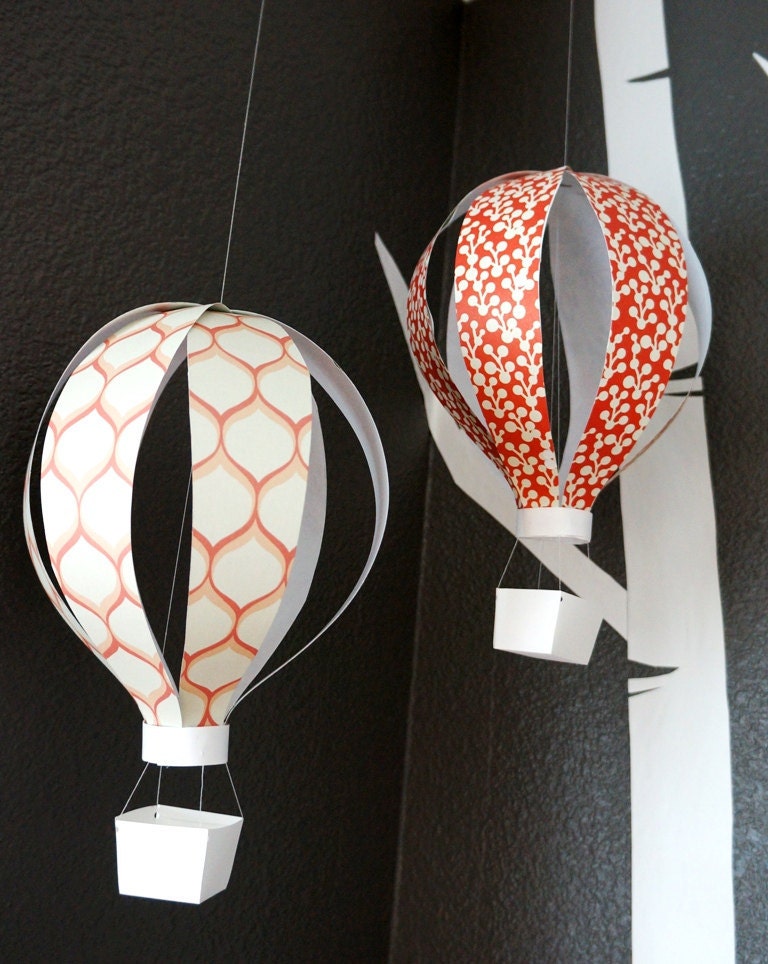
Art Altered Book Sculpture - folded Book paper Sculpture - Recycled Book - Eco friendly  Kusudama ELECTRA with flowers Hanging hot air balloon - paper sculpture / room decor / mobile
  

Wednesday, August 29, 2012

C+S2 | outdoor sculpture


Site-Specific Approach                                          


  • A woman meditating in a garden is appropriate to this site in Bali.

    Sculptures are often specific to a particular site. The site determines the style, material, scale and subject matter of the sculpture. The artist must go to the site, examine the surroundings and question the owner or guardian of the property regarding his intentions. This kind of sculpture is borne out of specific needs and requirements rather than arbitrary artistic expression. A small garden setting will require a different sculpture than a wide concrete entry to a major corporation, and the site-specific work will be a reflection of the setting.

Temporary Outdoor Exhibition


  • "The Gates" by Christo and Jeanne-Claude was a temporary installation in NYC.

    Art may be created as an event or statement for some short-term purpose with the intention of removing the work after a period of days or weeks. The artist may be commissioned to undertake a work for a special celebration or holiday.
    In some cases the artwork itself is the event. The artist Christo and his late wife Jeanne-Claude created work on an enormous scale that requires environmental impact studies and teams of engineers. They are committed to removing their art within a two-week period and restoring the surroundings to the original condition.


Read more: Methods for Outdoor Sculptures | eHow.com http://www.ehow.com/info_8428187_methods-outdoor-sculptures.html#ixzz2LeBc66gT

Wednesday, May 2, 2012

C+S2 | Abstract Tile Wall

Concept: Create an abstract design that focuses on an 'action word' of your choice using slabs of clay built forward from a tile [background, middleground, foreground]. You will stain the piece BLUE and put on permanent public display if you choose.

Process:
(1) Brainstorm + sketch ideas or concepts that lend to an interesting abstract design using simplified or distorted imagery.
(2_ Finalize design on size appropriate paper, cut out from slabs, puncture two holes in the back, assemble, add texture, focal point, fire, stain, + hang!

Art History + Insiration: Ruth Duckworth, Bill Carlson

C+S2 | Assemblage Sculpture


Assemblage by Laura Lein Svencner

concept: Create a sculpture out of existing objects that communicates an idea through many surface layers of paint, images, words, and color.

materials: found objects, gesso, mixed media, wire, gel medium, prints, cardboard, & acrylic paint
design + concept: What is your theme? What 3-4 colors will you work with for this design? What objects + imagery will you use to communicate your theme?
studio:  
1)   CONCEPT | List 5+ themes for your project then choose your favorite + list materials.
a.       Use visual metaphors, words, + symbols on the surface.
b.      Choose a color scheme of 3-4 COLORS to work with related to your idea.
2)   Paint a layer of gesso on the surface of your object and allow it to dry.
3)   VARIETY | Search National Geographic mags for 3-10 images that relate to your idea + colors of interest.
a.       Rip edges and sand image in two directions to make it look weathered.
4)   Find 1-2 pattern papers that complement your idea, colors, + imagery. Rip off pieces that vary in size (6”x6”-1”x1”) to cover object.
5)   COLOR + SHAPE | Arrange photos + pattern paper in a balanced + unified composition.
a.       Apply a clear layer of gel medium on object, place down paper, and apply a second layer of gel medium on top. Allow to dry.
b.      Brush transparent colors (gel medium + drop of color) all over artwork considering color BALANCE, UNITY, VARIETY, + CONTRAST.
6)   Add a third layer of painted patterns, images, and fields of color.
7)   TEXTURE | Adhere 4-10 3D items (beads, toys, plants, etc) using a dab of gel medium beneath the objects.
8)   FOCAL POINT | Print 2 small (1”x1”) and 1 large (3”x3”) black graphics for a focal point about your idea. WARNING: image will be backwards when applied!
a.       Search Google Images + show me for approval first.
b.      Print all images on provided paper, cut along very edge removing all white paper, apply a 3 layers of polymer on top of graphic.
c.       Paint polymer onto object surface, allow to dry, then iron image face down onto object.
d.      Soak paper with water (sponge/brush) and carefully slide off backing.

9)   CRAFT + UNITY | Apply a layer of polymer over entire piece. Allow to dry and use an iron to seal all edges.

art history & inspiration   Joseph Cornell  Laura Lein Svencner   Louise Nevelson  Margaret Wharton

Tuesday, May 1, 2012

C+S 1 | Autobiographical Sculpture [identity+realism]

Objective Create a 6-12 inch brownstone realistic sculpture that expresses your style + personality through its subject, form, surface treatment, + detail.
This form should be an existing 3D object inspired by a memory, family, friends, tradition, or personal interests showing a personal twist, or story through manipulation of the form, added objects, etc.
PART I | Research & Sketches  - View links below, complete worksheet, then print out & staple 4 views of the object you will make out of clay!   Tromp Tromp Loiel slideshow   Robert Arneson slideshow

CLAY SCULPTORS: Paul Day, Robert Arneson, David Furlong, Paul Dresang, Richard Shaw, Tip Toland, Ron Mueck, Duane Hanson, & Judy Fox.
Paul Dresang
PART II | Ceramics Studio
1. Build solid form with clay. Try to work LIFE SIZE… so use a small object!
2. Allow clay to become leather hard and either:
  a. CUT IN HALF, DIG OUT INSIDE, REATTACH, & POKE A HOLD
  b. DIG OUT FORM FROM UNDER SIDE OF SCULPTURE
3. Sculpt & add detail. Make creative choices to execute an expressive & well crafted design.
  a. Give the object a STORY. What happened to it? Is it functional?
  b. Add another object to give more of a narrative to this scenario.
4. Carve initials on bottom & turn in uncovered to be fired in the kiln.